
Protecting critical infrastructure operations.
Secure data across legacy sytems.
Grid operations.
And hybrid cloud environments.
Protecting operational and engineering data across energy production, distribution, and consumption — without disrupting availability or safety.
Energy production, distribution and stable consumption rely on continuous access to sensitive operational data — delivered to the right people and systems at the right time.
From control rooms at producers and energy distributors to monitoring and Geo-Information systems, vendors, and field support engineers, this data must remain both available and protected.
NVD ensures protection even as the data moves or is shared across systems, environments, and organizations.
Energy production and distribution require both strict security and seamless interoperability.
However, current models force a choice.
Energy infrastructure relies on data that must be accessed quickly to maintain stability, safety, and service continuity. At the same time, this data represents critical infrastructure and becomes a high-value target once it leaves tightly controlled environments.
The challenge is not whether data can be shared — but how to share it without increasing systemic risk:
- Operational data must always remain accessible
Downtime, delays, or access barriers can directly impact stability of energy production, distribution and delivery. Data must remain available without interruption, while access is securely limited to those who need it and only for as long as required. - Traditional security models increase exposure
Flat networks, shared credentials, and overly trusted environments expand the blast radius of any compromise. Protecting only perimeters or zones is no longer sufficient. - Third-party access introduces unavoidable risks
Energy producers, distributors, field engineers, contractors, service providers, and vendors require access to data without being fully trusted.
Critical infrastructure operators must protect sensitive data using advanced security technologies — without adding operational complexity.
This is where NVD takes action.
NVD eliminates the risk by protecting the data itself.
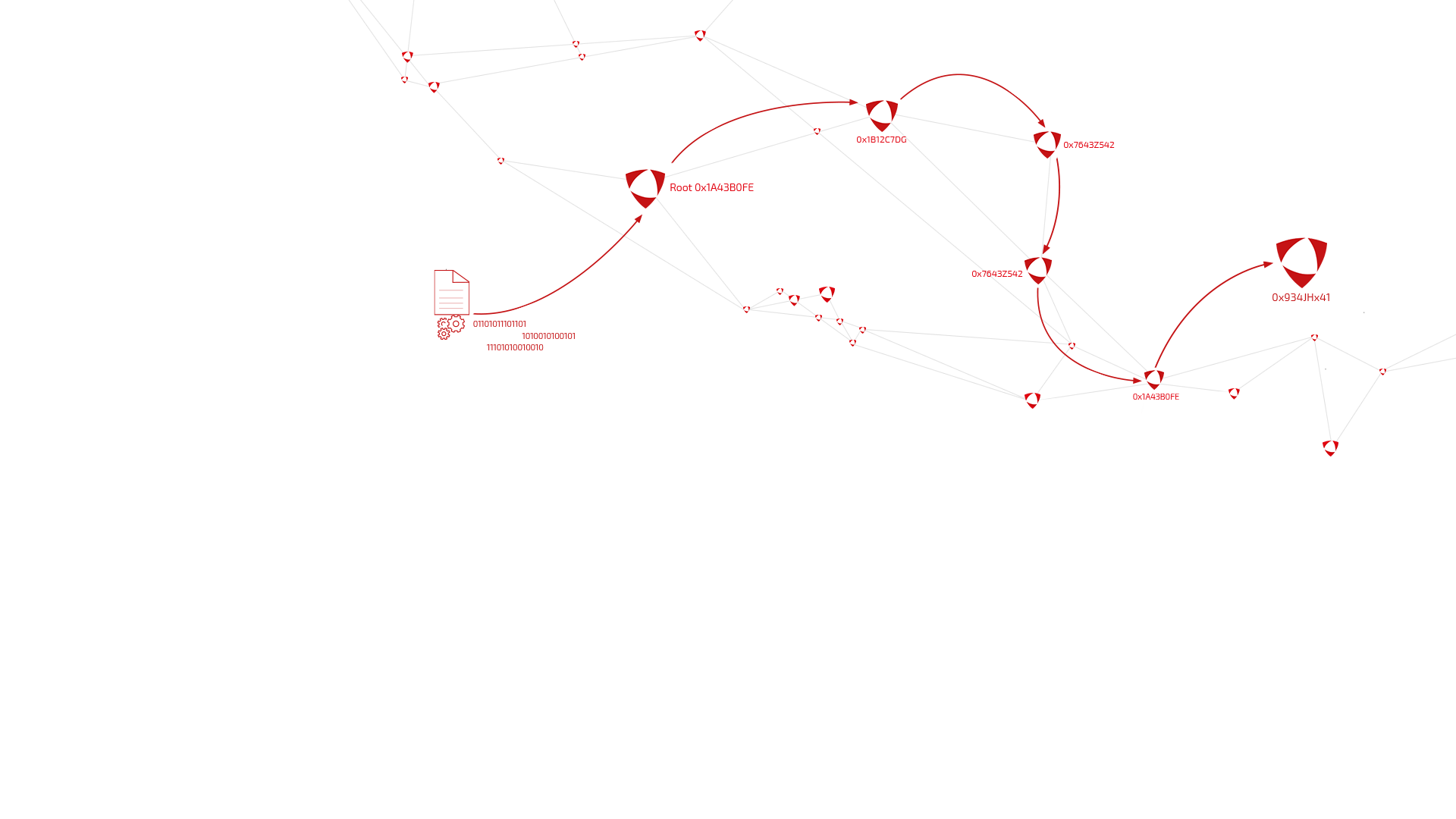
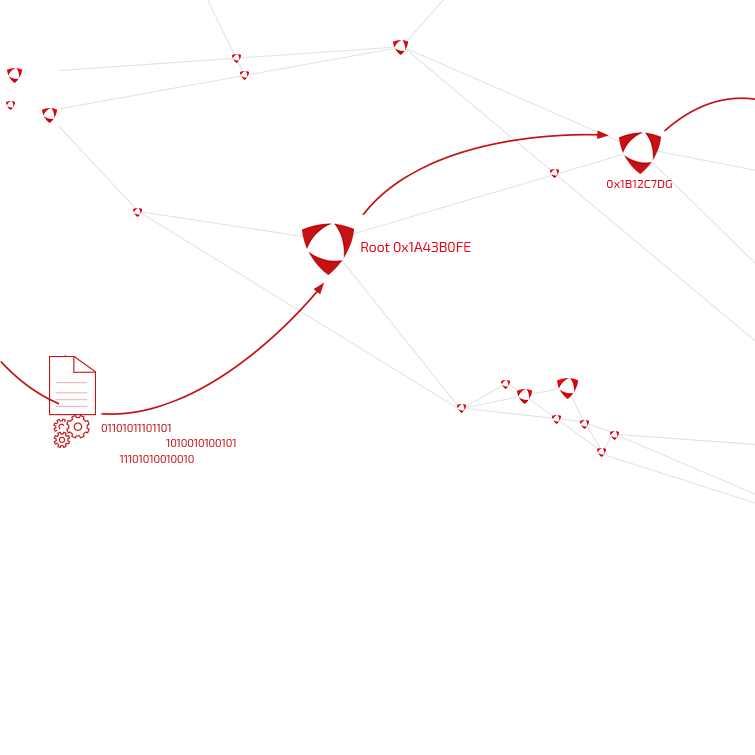
Instead of relying on network isolation or system trust, NVD applies protection directly at the data layer. Operational data remains non-visible by default and is only reconstructed when access policies and operational context allow it.
This allows critical infrastructure operators in energy production and distribution to:
- Reduce the impact of breaches or misconfigurations
- Share data with all relevant parties only for the time and purpose required, without expanding trust boundaries
- Protect legacy systems without redesigning infrastructure
Security becomes additive — not disruptive — to availability and safety.
NVD builds on its proven use in military environments to support the security needs of critical energy infrastructure.
- Controlled access to critical data for relevant operators, users, partners at relevant time
- Protection of energy production, grid operation, and consumption data when shared with analytics, planning, and trading platforms
- Secure collaboration during incident response without exposing full system context
- Limiting data visibility when legacy systems are connected to modern services
Protection that moves within the data.
This allows critical infrastructure operators to modernize data flows while keeping operational risk under control.
NVD keeps data protected throughout its entire operational lifecycle:
- Create: Data becomes a self-protecting object with no readable metadata at creation.
- Share: Information remains non-visible across networks, devices, and organizations.
- Store: No exposure of identifiers or contextual details to give outsiders insight.
- Access: Visibility is granted only when user, device, and mission context align.
- Misuse: Unauthorized attempts result in meaningless, non-visible information.
Safer critical infrastructure with reduced systemic risk.
NVD enables critical infrastructure operations to share and use data while minimizing exposure, reducing risk and preserving availability — with access limited to the relevant people or systems at the right time.
Other use cases


DEFENSE
Secure cross-domain data exchange across classifications,
coalition environments and tactical infrastructures.
Explore NVD in DEFENSE

Are you interested?
Please feel free to contact to us.